
Q: Last week a reader asked about developing their 30-acre parcel near a supply-constrained Midwest city overlooking one of the Great Lakes. Part 1 covered the first decisions every landowner must make. Today we go deeper into the development process.
A: Before we go further, one important disclaimer. The process described here reflects a typical small Midwest municipality. Landowners in states like Florida, California, or New York face significantly more complex regulatory environments, longer timelines, and far more rigorous local requirements . A subdivision approval near Naples, Florida can take three to four years and demand from thirty to forty requirements before a single lot is platted. A small Wisconsin town board may approve the same project in one or two meetings. Know your jurisdiction before you assume anything.
The most valuable phone call you can make.
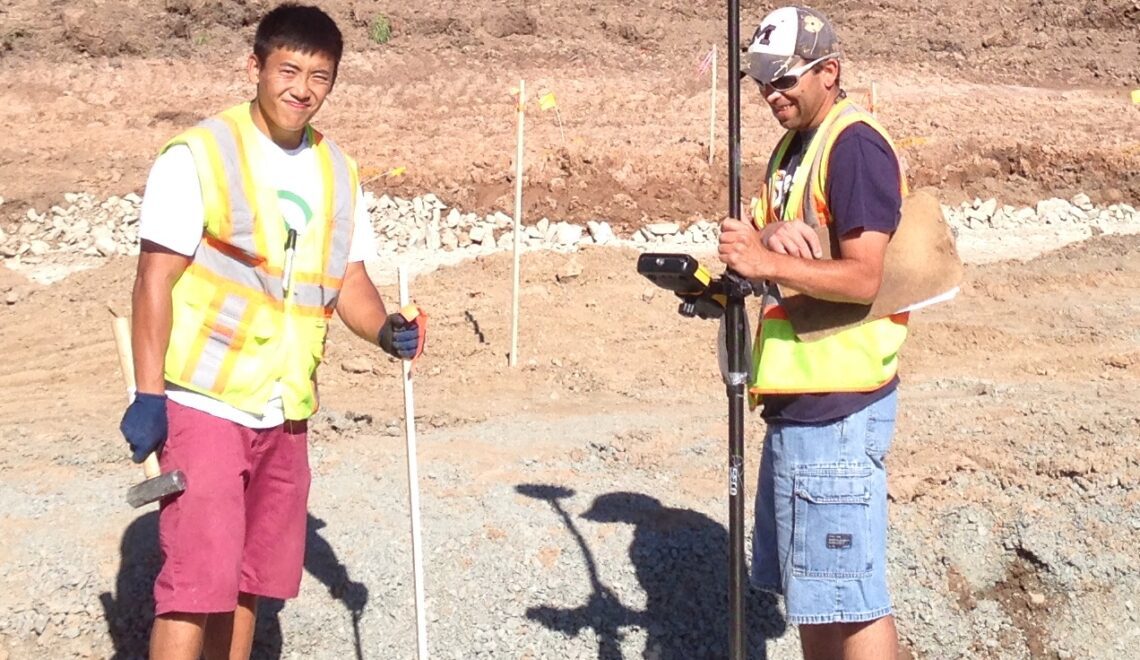
Conventional advice says hire a civil engineer first. Experience says something different. Find the land surveyor who has already platted half the lots in your municipality. That surveyor has walked your town board’s meeting room, knows the chairman by first name, and understands exactly what the approval process requires in your specific jurisdiction. He also may have already staked and recorded land coordinates that save time and capital. In Wisconsin and many Midwest states, that surveyor often works inside an engineering firm that handles survey, civil design, and municipal relationships under one roof. The local municipal administrator can lead you to the right surveyor.
The surveyor’s second and equally valuable role.
Beyond navigating approvals, your surveyor brings something no other professional on your team can provide — market knowledge expressed in lot size. You may envision your 30 acres developed into large, prestigious two-acre lots. The surveyor who knows your local market may tell you the true buyer in that community wants a lot one-tenth of an acre in size. When you push back — and many owners do — a good surveyor will simply draw both maps and tell you to do the math.
The math is not subtle. Thirty acres divided into two-acre lots yields approximately 15 saleable lots after roads and common areas. Thirty acres divided into one-tenth acre lots yields approximately 200 lots or more. Even if the smaller lots sell for significantly less per lot, the total revenue from 200 transactions rarely loses to the total revenue from 15. The surveyor who knows your specific market has seen what actually sells. Here is a link to learn more about surveyors. Listen before you decide.
Ask your surveyor one more question — does our municipality use TIF?
Tax Incremental Financing, known as TIF, is a Wisconsin economic development tool that allows a municipality to fund infrastructure improvements — streets, utilities, storm drainage — using future property tax revenue generated by the new development itself. In some cases a municipality actively wants new development to expand its tax base and will use TIF to help pay for the infrastructure that makes your subdivision possible. That changes your financial picture dramatically.
However, not every municipality qualifies or participates. Wisconsin law requires that TIF may only be used to facilitate development that would not otherwise occur without public support. A supply-constrained market with strong demand may actually disqualify a project on those grounds. Small municipalities with limited staff often avoid TIF entirely because the administrative requirements — annual state filings, joint review board approvals, Department of Revenue oversight — are more than a small town government can manage. Your local surveyor will know in five minutes whether TIF is a realistic option. If it is, pursue it. If it is not, move on without wasting time.
The phasing question.
Once your surveyor has assessed the parcel and confirmed what the municipality requires, you face the most consequential financial decision in the entire process: do you install all street improvements across the full 30 acres at once, or do you begin with a smaller 5 to 10 acre phase first?
Full buildout across all 30 acres is almost always cheaper per lot. Contractors mobilize once. Engineering is consolidated. If your market is strong and your financing is secure, full buildout captures the efficiency of scale and gets product to market faster. The risk is equally scaled — you are committing substantial capital before a single lot is sold. If interest rates rise, if a competing subdivision opens nearby, or if absorption slows for any reason, you are carrying that infrastructure debt with no revenue offset for potentially extended periods. Ask a commercial lender “How risky is a subdivision developer?” They are likely to say very risky.
Beginning with 5 to 10 acres reduces your upfront exposure dramatically. You build infrastructure for the first phase only, bring those lots to market, generate cash flow from sales, and fund subsequent phases from proceeds rather than borrowed capital. The tradeoff is efficiency — per-lot infrastructure costs are higher when contractors mobilize multiple times. Some municipalities require a master plan approval for the entire parcel before permitting even a partial phase. Your surveyor will know which situation applies to you.
Next week: stormwater management and DNR requirements, the sewer and water decision, and the one mistake that kills more subdivision projects than any other.