Q: We are getting married soon, and we want to start looking for an apartment to rent. We live in a large metro area and there are many apartments. We want a nice apartment in a safe neighborhood. Any suggestions are appreciated.
A: Apartment hunting in a large metro area can feel overwhelming, but breaking it into steps makes the process manageable. Here are the most important ones.
- Define your priorities before you search. Sit down and agree on your must-haves versus nice-to-haves. Write them down. Commute time, pet policy, parking, laundry, and square footage are the ones couples most often disagree on.
- Set a realistic budget. Spend no more than 30 percent of your combined gross monthly income on rent. Factor in utilities, renter’s insurance, and the security deposit – typically one to two months’ rent – before you fall in love with a unit you cannot comfortably afford.
- Research neighborhoods independently. Do not rely solely on a landlord’s description of the area. Visit the building at different times of day, including evenings and weekends. The FBI Crime Data Explorer publishes neighborhood-level crime statistics by city. Local Facebook groups and neighborhood apps like Nextdoor can give you an unfiltered picture of what residents actually experience.
- Consider the building age. Newer buildings often feature modern finishes, updated appliances, and energy-efficient systems, but they tend to command premium rents and may sit in transitional neighborhoods. Older buildings frequently offer more character, larger rooms, and lower rents, but plumbing, electrical systems, and heating can be outdated. Ask the age of major systems. A beautiful apartment with a 40-year-old boiler is a risk worth understanding before you sign.
- Inspect the unit. Before signing, test every appliance, run the water, check water pressure, look for signs of moisture or mold around windows and under sinks, and confirm that all locks work. Look for signs of vermin. Take dated photos of any existing damage and send them to the landlord in writing before you move in. That documentation protects your security deposit when you leave.
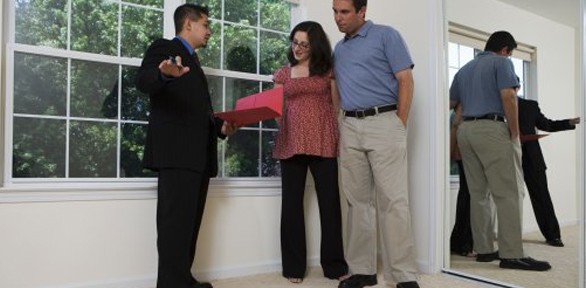
- Consider an independent rental agent. A real estate agent who specializes in rentals and is not tied to specific buildings or management companies can show you a broader range of options and represent your interests rather than the landlord’s. Ask upfront whether they collect a fee from the landlord. Many rental agents include buyer-agent language that any fee paid by the landlord is deducted from what you owe them – that is a fair and transparent arrangement worth requesting. Avoid an agent who collects full fees from both sides without disclosing it. Ask the question directly before you tour a single unit with them.
- Read the lease before you sign. Every clause matters – early termination penalties, guest policies, rent increase terms, and what happens if the building is sold. If any language is unclear, ask a local tenant rights organization to review it. Many offer free consultations.
- Get renter’s insurance. Your landlord’s policy does not cover your belongings. Renter’s insurance typically costs $15 to $30 per month and covers theft, fire, and liability. It is one of the best values in personal finance.
Starting your marriage in the right home at the right price sets a healthy financial tone for the future. Take your time, trust your list, and ignore the fear of missing out.
Leave a comment