Q: We are considering buying a home we recently toured that has solar panels. We really like the home. The agent holding the open house did not have much information about them, except that she believed solar panels added value to the home. Are solar panels a good idea, and what else should we know about them?
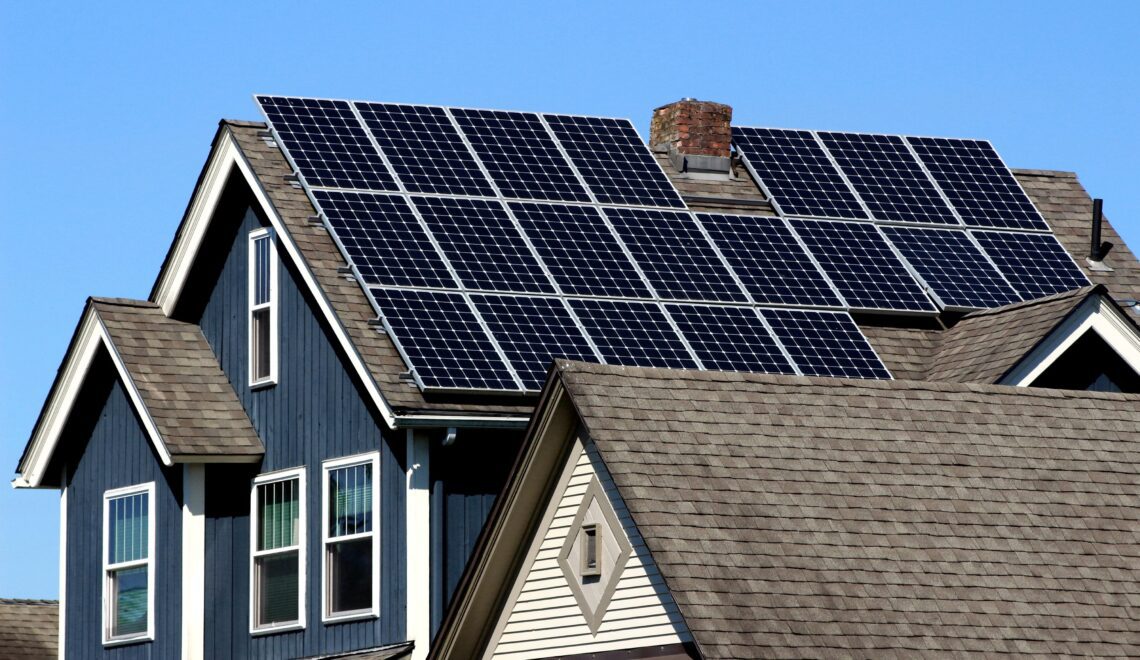
A: Solar panels are showing up on more homes every year, and your question is one more buyers should be asking before they fall in love with a property and overlook what’s underneath the roof.
The agent was not wrong – solar panels can add value. Research has shown that buyers have historically paid a premium for solar-equipped homes. But that general finding comes with important qualifications, and the more pressing issue for you is not value. It is how the system is owned.
Owned vs. Leased: The Most Important Question
Before anything else, find out whether the panels are owned outright or under a lease, financed, or Power Purchase Agreement.
If the panels are owned, they typically transfer with the home and are a genuine asset. If they are leased, you are not buying solar panels – you are inheriting a contract, often 20 to 25 years long, with a third-party company. That contract may include escalating monthly payments, transfer approval requirements, and early termination fees. Some buyers have found that a leased system complicated their mortgage approval.
What to Investigate Before You Commit
Request the following before removing any contingency: owned outright, leased, financed, or under a Power Purchase Agreement. The age of the system; the name of the installer and whether they are still in business; permits and engineering records; and recent energy production data compared to the utility bill to verify actual savings.
Ask whether the seller can transfer access to the system’s monitoring platform. Most modern systems track energy production in real time, and confirming that transfer at closing is easy to overlook.
The Roof Beneath the Panels
Also ask whether the roof was inspected when the panels were installed. Mounting brackets require penetrations through the roofing material, and improperly sealed penetrations can allow water intrusion that damages sheathing and insulation long before it becomes visible inside the home. Confirm the installation was permitted and passed a building inspection. If the home is older, ask about roof age and condition at installation – removing and reinstalling a solar array to re-roof underneath adds thousands of dollars to an already expensive project. Check any HOA rules as well.
A Few Additional Considerations
Value depends on your local utility rates – including whether your utility offers net metering, which credits you for excess energy sent back to the grid – the system’s condition, and whether it is owned or leased. Roof orientation and pitch also affect efficiency; a north-facing roof in Seattle produces meaningfully less than a south-facing roof in Phoenix.
Confirm the system is included in your insurance coverage before closing.
My Recommendation
Ask your buyer’s agent to request full solar disclosure as a condition of your offer. Hire a home inspector with solar experience. If the system is leased, have a real estate attorney review the contract before closing – many offer free initial consultations. Solar can be a genuine benefit, but only if you know exactly what you are buying.